
Last term the BC NDP waived all public consultation for new building developments. The logic: fast-tracking equals less red tape, and more housing will be built faster. And then they put all mining applications in the express lane, allowing big business free rein without restraint. “You’ll see more and more permitting reform,” Premier Eby ominously announced.
Before even applying for an environmental permit, proponents would have to navigate extensive Indigenous community consultations, provincial ministries, and federal bureaucracies. No more. In the fall, federal, provincial and territorial governmental ministries and agencies agreed to streamline the approval process of proposed mining projects.
Call me skeptical. To think that big business will behave and not bend the rules is as ignorant as believing that if we use one sheet of toilet paper we will save the world. Governments do not control big business. Governments are beholden to big business who are beholden to shareholders. Industry gets rewarded for polluting and losing money. It doesn’t matter what they do, because the government is always there to clean up the mess.
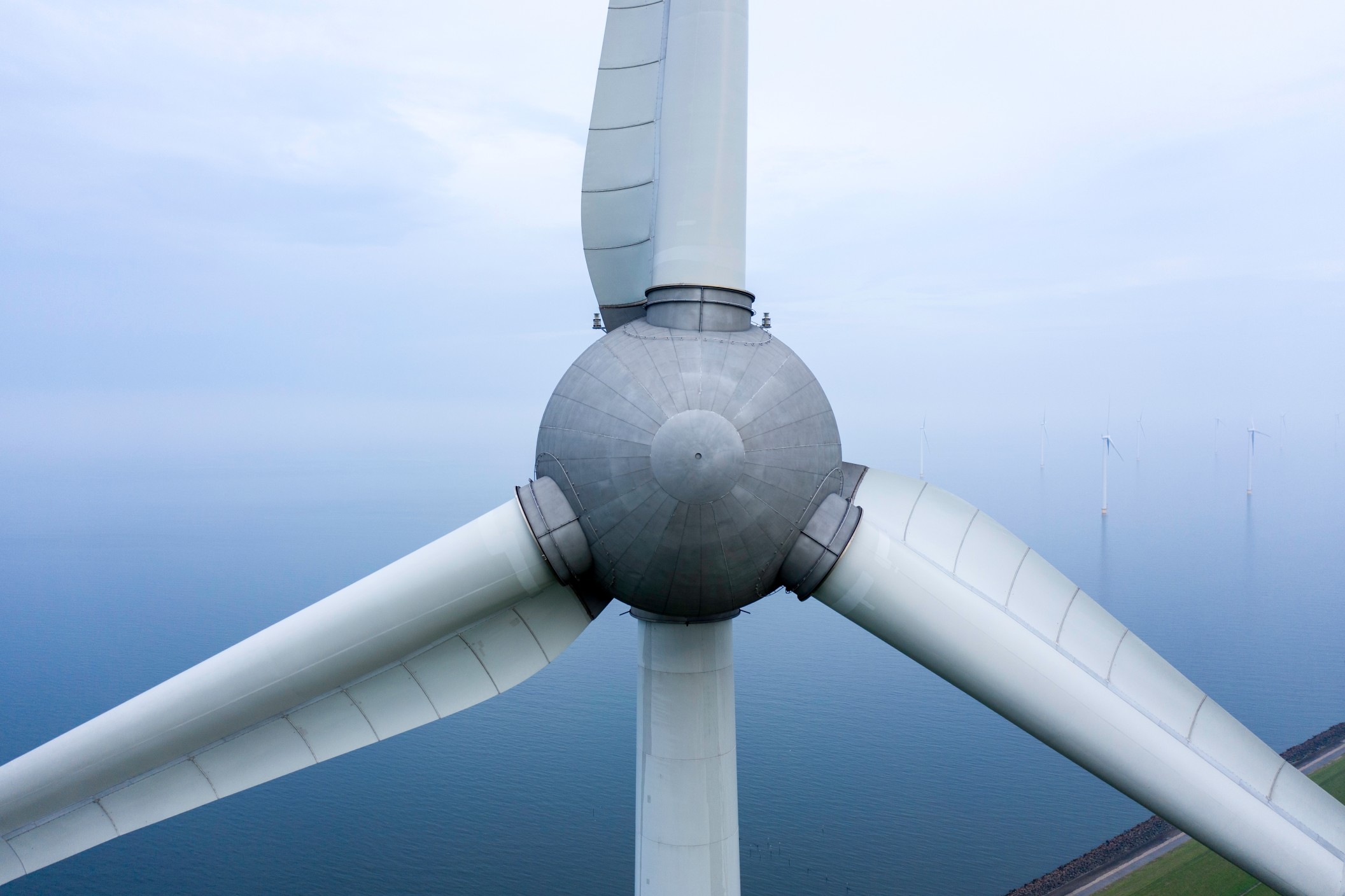
The latest example of BC’s free-range permitting: waiving Environmental Assessments on all new wind turbine projects. Energy and Climate Solutions Minister Adrian Dix announced the exemption in early December. “We need these new energy generation projects urgently to meet growing demand for power and accelerate our efforts to build a prosperous and inclusive clean economy,” Dix said. “We’re going to work together with BC Hydro, First Nations and proponents to get these projects built quickly, responsibly and efficiently, and get those turbines spinning.”
Those espousing the merits of wind farms (green washing) are avoiding the obvious. Wind turbines are made from steel, cement, and plastics, the embodiment of fossil fuels. Their foundations are reinforced concrete, their towers, motors, and housings are steel (nearly 200 tons for every megawatt generated), and their massive blades made of plastic resins are impossible to recycle (about 15 tons for one mid-sized turbine).
A proposed wind farm in the middle of Strathcona Regional Park is one of nine renewable BC Hydro energy projects that got the go-ahead this month. Called the Brewster Wind Project, partnering with the Wei Wai Kum First Nations, the plan outlines a capacity of up to 200 megawatts with approximately 30 wind turbines. Megan Hunter, with Capstone Infrastructure, the Toronto-based company that pitched the Vancouver Island project, said they were surprised to learn of the Environmental Assessment exemption.
“BC has strong environmental protections, and we plan to complete robust consultation and engagement with Indigenous groups and the local community, as their input will improve the project,” Hunter wrote in an email. “Wildlife, environmental, noise, and cultural impact studies will still be undertaken.”
Wind farms come with certain challenges, says UBC professor emeritus Michael Healey. Some of these include the potential to harm birds, a significant land footprint, and noise concerns. Wind turbines kill millions of birds and insects a year, and hundreds of thousands of bats. Studies have proven that offshore wind turbines harm whales, dolphins, seals and porpoises through the sound waves produced.
“I personally don’t think it is a good idea to begin any large industrial project without a thorough environmental analysis regardless of who is involved,” Healey shared. “Saying that because First Nations are involved means environmental issues will be fully taken into account is bogus. The government typically sweetens the pot for elected Indigenous governments to get them to accept projects they would probably otherwise reject,” he said.
Tahsis Mayor Martin Davis, a regional district director and cave researcher, called the decision to exempt the EAs “surprising.” When the wind project was pitched late in the summer, Davis said it would be important to contact caving and paleontology experts to assess the area. He pointed out some of the ridges have limestone, which would need to be avoided to ensure the turbines remain stable. Davis added that if there are caves in the area, they could easily be critical habitats for bats.
For decades the wind energy industry has put out a steady stream of misleading information about its impact on wildlife. They continue to claim that the impact of wind turbines is relatively low, and compare the bird deaths it causes to no more than those of house cats or buildings. The difference is, most of the birds killed by domestic cats and collisions with buildings are small, like robins and sparrows. With big birds, as in owls and eagles, with lower reproductive rates, their deaths have a far greater impact on the population of their species.
Not surprising, the government of Canada website has no references to impacts on wildlife, just the negative impact on humans from the “whooshing/swishing” noise that wind turbines make. They cryptically warn, “This is not intended to be an exhaustive list of references nor an indication that Health Canada supports any of the conclusions in these publications.” With bald-headed transparency, they admit they will only accept research that strengthens “the evidence base that supports decisions, advice and policies regarding wind turbine development proposals, installations and operations in Canada.” In other words, blowhards and windbags, need only apply.
With files from Black Press Media.