Shucking Oysters: All Creatures Great and Small
By Alex Allen
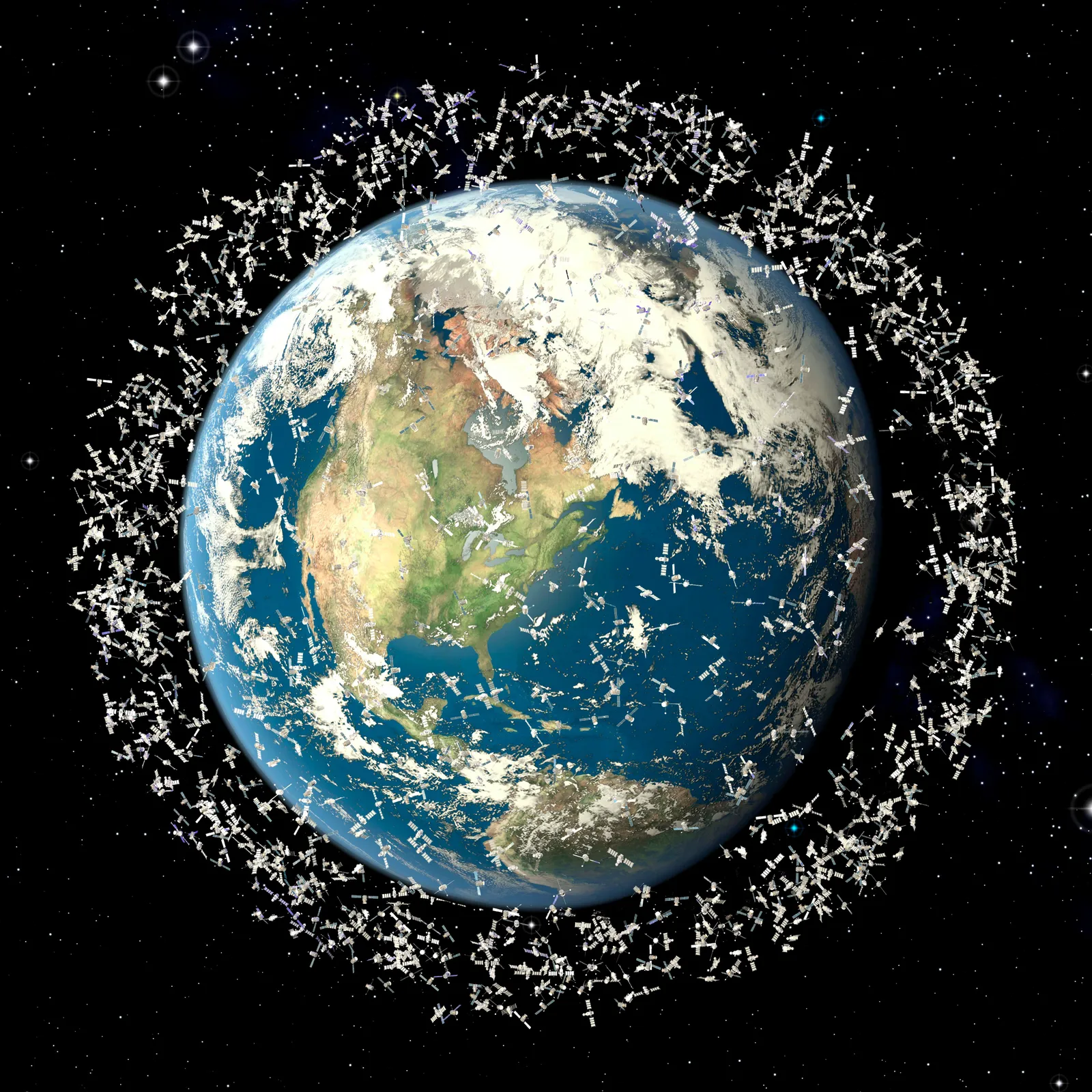
Next week is Earth Day, April 22. This year’s theme is “Our Power, Our Planet,” which sounds like some corporate tagline and not a call for action. Here we are 56 years later. Have we changed for the better? I can hear the Earth sighing audibly at the folly of us human beings. When will we ever get it? The Earth is in crisis and yet we continue abusing, pillaging, and taking this sacred Planet for granted. Our activities are now so pervasive, so profound in their consequences that they affect us all both great and small.
Earth Day is not just about climate disasters and pollution, it’s about respect for all species. Humanity’s biggest error is with our interactions with the other inhabitant’s – our fellow beasts. Why should we pause before we mine another ecosystem or build bigger ports to move more crap back and forth? We should be alarmed, first by the fact that we have unthinkingly done this to ourselves, and secondly by “our willful blindness to the horrors which we are condemning future generations to endure.”
Keggie Carew wrote: “These days, the whole of nature has become a last-minute add-on in the disembodied, faceless, colourless, lifeless catch-all: Biodiversity. It sounds like soap powder. Biodiversity. Easy to rinse away. Why would we care about it?” In her book, Beastly, Carew soberly writes on the moving and troubled connections we have with our Earth mates, the other animals.
It took nearly four billion years to build a Rhino, a River Dolphin, a Pink-toed Mussel, a Passenger Pigeon, and only a few decades to obliterate them. Forever. And then we started playing God. We selected useful characteristics: meatiness, hardiness, wooliness, adaptability, docility. Forget about speed or agility, we want them slower and fatter. If a sheep falls over, we not only hear it, we may have to help her get up.
And then there are those who try to deny reality, the crudest form of cognitive dissonance. Cognitive dissonance is really just a name for the discomfort we feel when we both know something and avoid knowing it. Like where meat comes from. A mechanism of death so grisly, so gruesome, and so huge that it has already changed the face of Earth almost beyond recognition. If we can miss several billion deaths without raising an eyebrow, what else has been hidden in plain sight?
Chicken processing plants run line speeds from 175 to 200 bpm (birds per minute) in a single plant. That amounts to 12,000 birds per hour, or 96,000 birds in an eight-hour day. It’s absurd that we have been raised to believe that we are above the “barbarism of beasts.” Our clinical methods of food production are horrifying and cruel.
British writer and political activist, George Monbiot said it best, “What madness of our times will revolt our descendants? There are plenty to choose from. But one of them, I believe, will be the mass incarceration of animals, to enable us to eat their flesh or eggs or drink their milk. While we call ourselves animal lovers, and lavish kindness on our dogs and cats, we inflict brutal deprivationson billions of animals that are just as capable of suffering. The hypocrisy is so rank that future generations will marvel at how we could have failed to see it.”
We are not separate from nature. What we do to the world, we do to ourselves. Everything seems to come from some kind of derangement in our society. The perception of separation from nature and from each other, upon which all our systems of money, technology, industry and so forth are built. Charles Eisenstein wondered presciently, “Could it be that the sun is recoiling in pain from the ingratitude and violence humanity is perpetuating on Earth? That it will ultimately mirror our own derangement?”
Can you imagine if politicians and corporate executives acted from compassion rather than calculation? Imagine what the world would be, if we could channel that tremendous pent-up life-force toward something worth caring about, like Earth? What exactly, do we want to sustain? Is the purpose of life merely to survive? Or is money the key to fulfillment? Our insatiable appetite for consumption should be more alarming than too many people on Earth.
How do we run the world on enough instead of more? We need to get rid of our cravings, that for some reason we’ve couched as virtues: greed disguised as ambition; selfishness disguised as freedom; inequality described as opportunity. When will we consume enough? When will corporate profits and stock prices be enough? When will we have all the technology we need? Why is more and more always better if it can never be enough?
As Farley Mowatt wrote: “We’re under some gross misconception that we’re a good species, going somewhere important, and that at the last minute we’ll correct our errors and God will smile on us. It’s delusion.”