Home Blog Page 20

Welcome to the Chappaquiddick Circus!

Welcome to the Chappaquiddick Circus!

By Cylon2036   We/Us

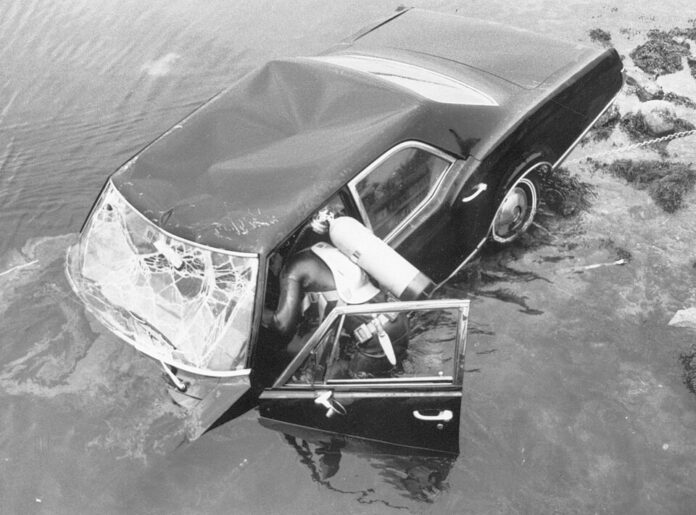
Ladies and gentlemen, visionaries and venture capitalists, prophets, pundits, consultants, and premium subscribers. Welcome to the Chappaquiddick Circus, where every act is a triumph of confidence over competence, every applause line is underwritten by debt, and every safety net has been outsourced to a bright future. The only danger is that after the celebrations, we run the risk of driving off of the bridge!

Observe the Grand Parade! There marches the Ringmaster, beaming with impeccable optimism, proclaiming that humanity has never had it so good. The banners shimmer with exponential curves, frictionless progress, abundance on demand, personalized everything, and an ever-improving tomorrow delivered overnight.

Behind him comes the brass band, playing louder whenever anyone asks inconvenient questions. The lion costumes have been replaced with focus groups. The trapeze artists wear augmented reality headsets. The clowns have MBAs and keynote presentations. Every elephant in the room has been fitted with a dashboard proving it weighs less than last quarter’s forecast.

The audience is assured that this is not merely entertainment. It is inevitable. 

Behold the Human Cannonball of Innovation! Fired from the cannon of disruption, propelled by leverage, derivatives, machine learning, and the conviction that every historical limit was merely a failure of imagination. Observe how magnificently he flies. Do not dwell upon where he lands.

At the center ring stands the Great Optimist, who announces with evangelical certainty that the future belongs to those who embrace acceleration. “Every crisis,” she declares, “is simply an opportunity wearing uncomfortable clothing.” Indeed. The fire itself is described as a renewable source of illumination.

Each year, the Chappaquiddick Circus unveils a grander vehicle in which civilization may travel. Longer, faster, more luxurious, more connected, more automated, and more efficient. Every passenger receives a complimentary pamphlet explaining why this time, unlike every previous time, human frailty has been permanently solved through software updates.

The bridge ahead is described as a legacy constraint. One timid soul asks whether perhaps the road appears unusually narrow. The orchestra immediately begins another stirring rendition of Forward!. Another wonders whether the steering wheel is connected to anything. A consultant explains that steering is an outdated industrial-age paradigm.

Someone points out the absence of guardrails. The Ringmaster smiles reassuringly. “Guardrails inhibit innovation.” The vehicle accelerates while investors applaud the acceleration because it confirms market confidence. Journalists celebrate the acceleration because it generates engagement. Academics publish papers explaining that acceleration is socially constructed, influencers livestream the acceleration in digitized video, while promising to accelerate even faster. Everyone agrees that hesitation would be irresponsible.

Meanwhile, the map has quietly been replaced with a pitch deck. The bridge itself has become a matter of interpretation. Some insist it is perfectly sound. Others argue that bridges are merely obsolete metaphors inherited from less ambitious civilizations. A third faction proposes that whether one has gone over the edge depends entirely upon one’s preferred statistical model. Down below, the river remains stubbornly empirical.

Still, optimism reigns. Optimism is the indispensable fuel of the Chappaquiddick Circus, not the hard-earned optimism that survives contact with reality, but the ornamental variety, polished daily until it reflects nothing at all. This optimism possesses a marvellous quality, as every near-disaster is reclassified as evidence that catastrophe has been successfully disrupted.

Every warning proves the need for greater speed and every failure demonstrates insufficient confidence. Every cracked support beam reveals exciting opportunities for infrastructure innovation. Should the magnificent vehicle finally arc beyond the bridge’s edge, spinning elegantly through the evening air, the Great Optimist will maintain perfect composure. “Ladies and gentlemen,” she will proclaim, “you are witnessing a bold transition to a new transportation paradigm.”

As gravity conducts its peer review, experts will assure us that all outcomes remain fundamentally positive over a sufficiently long timeline. There may, admittedly, be some unfortunate turbulence. There may even be a regrettable tendency to drive off the bridge, killing half the occupants of the car. But think of the learning opportunities and the data. Think of the social media engagement!

And if the surviving passenger happens to crawl ashore bewildered, soaked, and wondering whether perhaps exuberance ought occasionally to share the road with prudence, they will be informed that such negativity risks undermining public confidence. The next vehicle is already loading, and it is even faster.

The bridge, everyone agrees, is optional. 
You May Be Ignoring EMFs but EMFs Are Not Ignoring You

You May Be Ignoring EMFs but EMFs Are Not Ignoring You

By Leif LeBaron

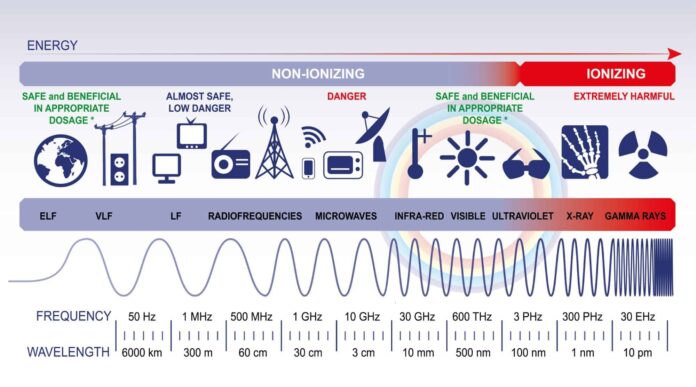
Government and industry boldly claim there is no scientific evidence showing harm to the human body from electromagnetic fields (EMFs) below the intensity thresholds they have specified; however, a large body of evidence to the contrary does exist (and much like honest history, one must seek it out).

I could go on about the corruption and deception in Canada’s “Safety Code 6“, but consider instead, the basic premise that something is safe if there are no approved studies showing it to be unsafe. It is clearly foolish to assume something like this is safe, especially when history shows a tragic pattern of reckless introduction and proliferation of things which caused so much damage that they were eventually banned.

In any case, the need for such evidence suggests a basic ignorance of nature (or physics, if you prefer). Suffice it to say that human bodies and other biological organisms depend on electrical phenomena, and biological systems are generally resilient but also exquisitely delicate and sensitive (like voltage-gated ion channels in cell membranes, &c.).

So, naturally, of course EMFs affect biology! Yet most of us remain blind to the deafening sea of synthetic noise we continue to conjure, numb to the natural symphony of native energy which it overwhelms. To be clear, artificial EMFs are not intrinsically bad and may potentially be used to benefit biology, if we learn to exercise enough humility and attention in our relationship with nature. Meanwhile, I think it’s fair to say that most would be profoundly alarmed if they could only see or hear or feel in some way the enormous extent of electromagnetic pollution in the world.

Further reading: The Invisible Rainbow: A History of Electricity and Life by Arthur Firstenberg

The Storm in the Dining Room

Gabriel Jeroschewitz, June 30th, 2026, inspired by Inappropriate Jazz. And Vessie, my girlfriend, in the summer of 1969

The Storm in the Dining Room

The chandeliers at the Whitmore Estate dazzled like frozen waterfalls—and the ballroom was filled with the typical kind of people who speak reverently of wine—and in whispers—of others. I knew I was hired for the evening as additional staffing for the gala celebrating Gerald Whitmore’s thirty-year reign as CEO of Whitmore Pharmaceuticals. It was supposed to be a simple job—the kind of assignment that required circulating with a tray of champagne, smiling when necessary, and pretending not to hear any discussions regarding company reports or summer homes in the Hamptons.

Then I saw her.

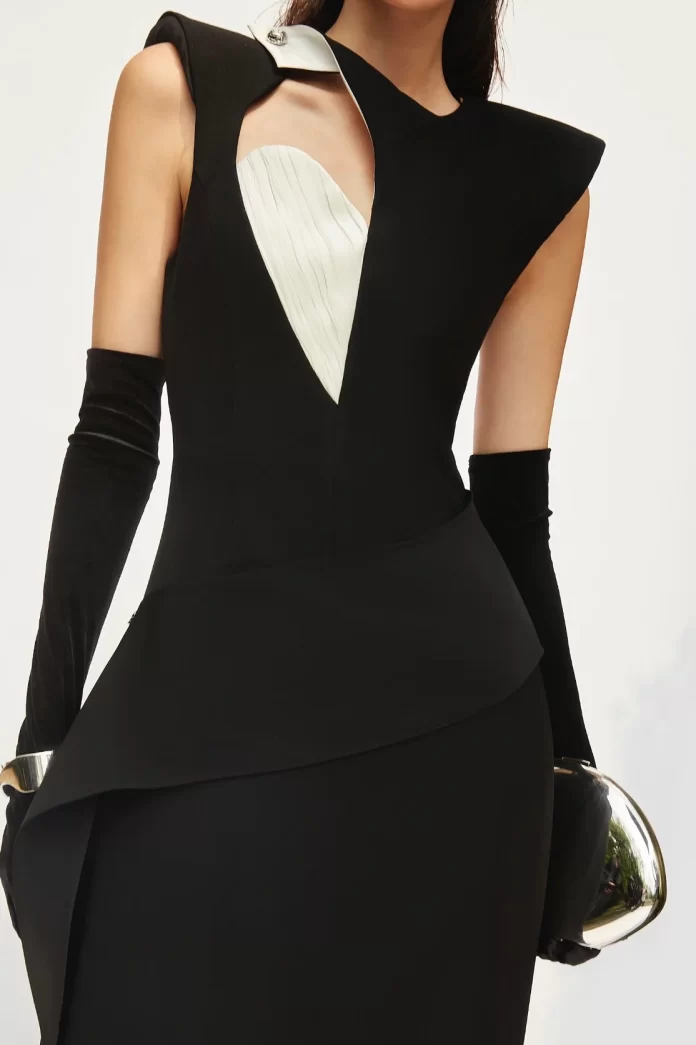
She walked into the ballroom like a disruption in the fabric of polite society—yet precisely what she was. The gown was black and architectural, with a design that did not ask for attention—but commanded it. Her legs—admitting this at my age—were extraordinary: long and graceful in a way that parted the crowd like a ship through water. Her face belonged in a museum alongside beauty born into worlds that made people forget the price of admission.

But it was her eyes—brown, sharp, and utterly unamused—that stopped me.

“Excuse me,” said a voice at my elbow. I looked to see Margaret Whitmore—the wife of Gerald—clutching her flute as though it were a weapon. She wore a smile that did not reach her eyes. “You can put that tray down for a moment,” she said. “I need you to witness something.”

I looked back toward the woman in black who had come to a halt just off the dance floor—surveying the room like a general of the battlefield.

“That’s Vanessa Reyes,” Margaret continued—with the particular venom of someone who had long since run out of polite conversation. “Gerald’s new head of research. Brilliant—Harvard Medical—pedigree with a publication in The Lancet before she turned thirty.” She took another sip of champagne. “Also…apparently incapable of putting on something that does not appear to have been stolen from a funeral.”

I didn’t respond—but was too busy watching the way two men in expensive suits approached Vanessa.

The taller figure was Gerald—by resemblance, if I had to guess. The shorter man broke into a loud, confident laugh—indicating he saw himself as very funny in that moment.

Vanessa didn’t change expression. Whatever she said caused the shorter man’s smile to falter. Gerald finally laid a hand upon her arm—a friendly gesture perhaps—but more of a warning.

“Watch,” Margaret said—with something close to satisfaction in her voice. “Gerald does not enjoy being contradicted—especially not by someone who strikes people like that.”

I should have looked away—but there was no easy alternative to pretending I did not see what happened next.

There are moments in life when witnessing events demands attention—an occurrence like this being one of them.

Gerald finally removed his hand. He said something sharp—yet distinct above the party music and conversations. Vanessa’s jaw set—and her chest rose and fell—physical signs of someone deliberately taking a breath to maintain composure.

Then she laughed.

Not politely—no more deferential than the alternatives. The laugh suggested: did you say that to me?

The exchange lasted perhaps two minutes—nothing unusual between three people at a party. But I saw how Vanessa straightened up—felt the way she tilted her head as if considering a particularly stupid worm. The shorter man had stepped away, confidence clearly deflated. Gerald’s expression altered from paternal concern to genuine irritation.

Vanessa turned—and walked away—her heels making a sound like a closing door against the marble floor.

I eventually found her on the terrace—alone—with her gaze directed toward the garden and the soft landscape lights.

The air was cool, and Vanessa had wrapped herself in an attempt to show strength—something wildly at odds with the fierce energy within the ballroom.

“They’re staring, aren’t they?” she said—not turning around. “The whole ballroom talking about the ice queen who does not know where she fits in.”

I didn’t bother denying it. “You’re not what they expected.”

“Expected?” She looked at me for the first time—and in the soft illumination she looked younger—tired. “They expected a face suited to such a party—and someone whose smile adorned others’ jokes. As soon as I opened my mouth to reveal a brain, something happened, and I became a problem.” She laughed—but no humour found in the sound she emitted. “I saw Gerald’s face when I presented the research proposal. He looked at my legs—then my face—then my legs again—trying to find some balance between the two.”

“That’s their loss,” I said.

Vanessa raised an eyebrow. “Are you paid to say that?”

“Free of charge.

She finally managed a smile—a real one—brief and genuine. “You’re kind—or possibly drunk. Can’t tell which at these things.”

“Neither,” I said. “Just an observer.”

“Observer,” she repeated—as though tasting the words.

“You know what I’ve realized?” she said softly. “People like to look at me—like to look. But the moment I start talking, they feel uncomfortable. The moment I enter thinking mode, they take exception—to what I offer: a face and body they never asked for—and intelligence that some might see as an insult to their own expectations.”

I leaned against the railing beside her.

“So what do you do about it?”

Vanessa looked back toward the ballroom—the glittering crowd—with Gerald holding court over investors who nodded at every word he spoke.

“I keep talking—thinking. I refuse to shrink myself into these pretty boxes,” she said—her gaze finding mine. Something inside me told me to stand a little straighter.

“The funniest thing in the world,” she said, “is that I did not ask for any of this. I did not ask to become so very beautiful and brilliant—as well as garner stares and whispers from those who think my attention deserves such placement. I only ever sought to do my job—well. Apparently that is too much to ask.”

The remainder of the evening went by in a blur of champagne and small talk. Vanessa crossed the ballroom as if she understood the fight against currents stronger than any ocean. She knew when to laugh—yet avoided the typical questions. When Gerald approached again, she excused herself in the most graceful way possible.

When the evening wound down, I saw her standing near the entrance—accepting handshakes and hollow compliments—yet with the poise of someone who had done such things a thousand times before.

Gerald finally caught her arm last. I was close enough to hear the very final words between them: “You could have been pleasant, you know. This would have made things easier on yourself.”

Vanessa smiled—a smile capable of cutting glass—and replied just loudly enough for those nearby to hear: “Gerald, darling—I’m doing my fucking best. If that’s not enough, then perhaps you should find yourself a porcelain doll on a shelf somewhere. But I suspect even she’d get tired of your shit.”

She moved out into that night—her heels clicking consistently against the driveway—and her head held high.

I never saw her again.

But in the months afterward, I learned that she left Whitmore Pharmaceuticals to start her own research firm—the paper was groundbreaking and led to her emergence as a major figure in medical circles. She’d married someone who admired her sharpness rather than seeing it as threatening.

Sometimes—in the late-night hours—I think of that woman on the terrace. Of what was placed upon her shoulders—the world’s effort to make her small. And I think of what she said: “I keep talking. I keep thinking. I refuse to shrink.”

For in a world demanding women be quiet, small, decorative—the most radical act may be to become—and to remain—oneself.

And if they can’t handle the storm?

Well—as Vanessa would say—they can get the fuck out of the pit.


Letter to the Editor – Leif LeBaron

My article last week, “Informing Institutions”, caused some concern due to an unverified statement about Chickadee Lake. I do not frequent Facebook but I was shown comments which moved me to give some context for the record.

I submitted my article before verifying the statement in question in order to meet the deadline. The correction I later sent was received, confirmed and implemented online but alas, not in print. I appreciate your care and attention in addressing this mistake and I apologise for my own part.

Cupcakes & Cow Pies

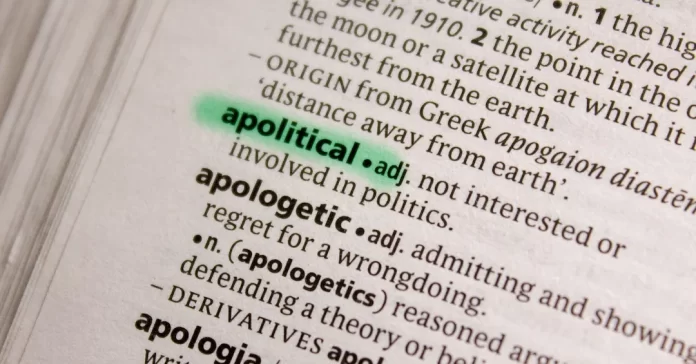
“I’m Not Political” Just Means “I Support The Status Quo”

“I’m Not Political” Just Means “I Support The Status Quo”

Reading by Tim Foley:

Saying “I’m not into politics” is just saying “I support status quo politics.” It’s saying you endorse all the violence, exploitation, ecocide and abuse of the current order.

Politics are always happening all around you in every moment of every day, whether you are “into” it or not. Everything you do in your everyday life is pervasively shaped by local and national laws, by economic systems, by oligarchy, by propaganda, by war, by militarism, by imperialist extraction, by government regulations and the lack thereof. Saying you don’t feel like paying attention to these factors is just saying you’re fine with the way they are presently happening.

It’s like if every time a family sat down to a meal the son took all the daughter’s food and the parents did nothing about it, saying “I’m not into politics” whenever the issue came up. The daughter would conclude that her parents were fine with her brother’s behavior, and that they did not care about her as a person. And she would be correct. Their inaction and indifference would be just as consequential as any actions they might take, and just as revealing of their personal character.

Politics are always happening to you. You have no say in this. The only thing you get a say in is what actions you will take to change the way they are happening.

“I don’t do politics.”

Okay well politics is doing you.

Those products you use didn’t create themselves and bring themselves to your home.

Your boss doesn’t pay you overtime and give you weekends off because he loves you.

The technology you use to transport yourself doesn’t look the way it looks by accident.

Healthcare and education don’t cost you what they cost you by some fluke of nature.

The summers aren’t getting hotter because the sun is getting closer, and the reason you’re seeing fewer insects than you saw when you were a child is not because the bugs committed suicide.

Every part of your life is dramatically affected by the political actions of others. Your political inaction is an action, and it’s an action in favor of the political status quo.

“I don’t do politics” means I support genocide. It means I support war. It means I support injustice and exploitation. It means I support ordinary people getting poorer and sicker while the biosphere dies and the billionaires turn into trillionaires. It means I support our headlong plunge into mass extinction and dystopia.

The other day a popular leftish YouTuber made a post asking why leftists are always slamming her as a genocidal Zionist when she’s never explicitly supported the genocide in Gaza. I wound up telling her, “People see you as pro-genocide because you are far from sufficiently anti-genocide in a political environment where being anti-genocide is of utmost importance to people of conscience. I am a left-wing political commentator, and if I had spent three years de-emphasizing and dismissing the Gaza holocaust I am 100% certain that many leftists would be hounding me about it to this day, even if I made the occasional tweet saying Benjamin Netanyahu is bad. People would see my output as not reflecting the urgency of the issue at hand, and they would criticize me as unacceptably sympathetic to the forces giving rise to the genocide.”

Inaction is an action, and when things are profoundly unjust, it’s an action in support of injustice. If your house is burning and you don’t take action to remove yourself and your loved ones from danger, your inaction isn’t neutral. Your decision not to act is itself an action of immense consequence.

That’s the boat we’re all in right now. Politics is pervading every aspect of our experience of life on this planet. Our only volition is in what we choose to do about this inescapable reality.

_______________

Caitlin’s Newsletter is a reader-supported publication. To receive new posts and support my work, consider becoming a free or paid subscriber.

The best way to make sure you see everything I publish is to get on my free mailing list. My work is entirely reader-supported, so if you enjoyed this piece here are some options where you can toss some money into my tip jar if you want to. Click here for links for my social media, books, merch, and audio/video versions of each article. All my work is free to bootleg and use in any way, shape or form; republish it, translate it, use it on merchandise; whatever you want. All works co-authored with my husband Tim Foley.

Bitcoin donations: 1Ac7PCQXoQoLA9Sh8fhAgiU3PHA2EX5Zm2

Feature image via Adobe Stock.

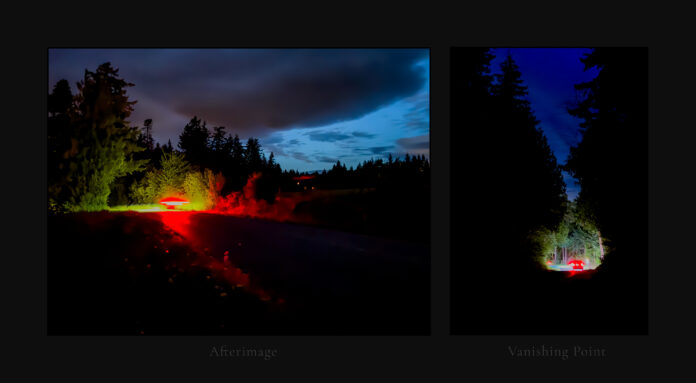
Afterimage-Vanishing Point

facebook.com/markprior.images

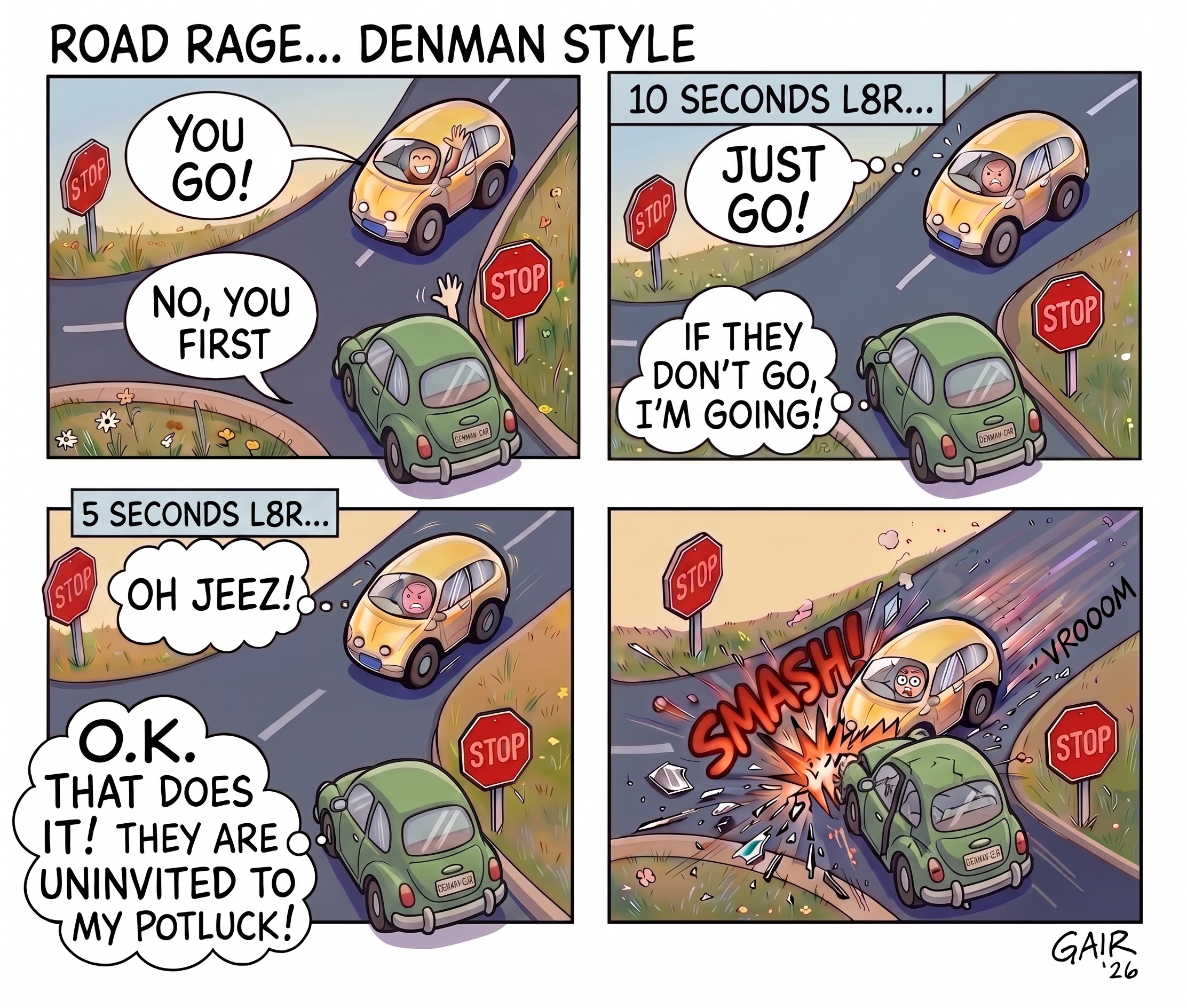
Denman road rage

#1746

Kaimerata Summer Chamber Music Festival 2026 on Denman Island “Schubert Meets Beethoven!”

Kaimerata Summer Chamber Music Festival 2026 on Denman Island

“Schubert Meets Beethoven!”

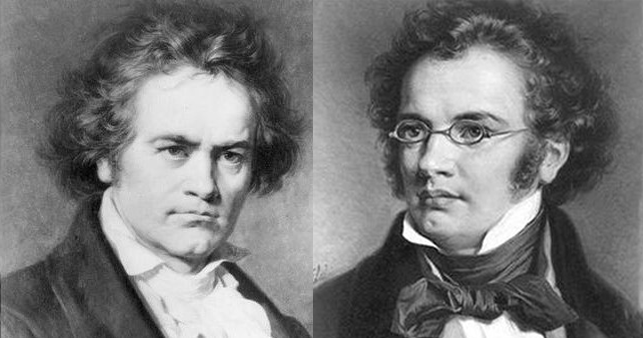
We are back this summer for our 12th season with three concerts of musical masterpieces.  Ludwig van Beethoven and Franz Schubert lived in Vienna at the same and despite Schubert’s enormous admiration for Beethoven, they never met.  We wish to right this wrong this summer, on Denman Island, for you!  To be performed are some of the greatest chamber music works ever written:  the Schubert’s Trout Quintet, the Arpegionne Sonata, the Cello Quintet and Beethoven’s Archduke Trio, the Spring Sonata, the Opus 111 Piano Sonata and one of the great late String Quartets.

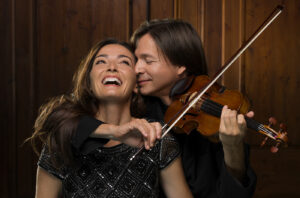
Catherine Ordronneau and Kai Gleusteen

For those who don’t know about the Kaimerata Chamber Music Festival on Denman Island, here is your chance to have a little taste of yet another hidden gem of our island.  The core of the Kaimerata ensemble is a European-based internationally acclaimed violin/piano team, Kai Gleusteen and Catherine Ordronneau.  They will be joined by a Kaimerata regular: Beth Root Sandvoss on cello and her two incredibly talented children, Tilman and Sabina Sandvoss, both at the beginning of their exciting careers.

The summer festival, with three concerts programmed for August 7th, 8th, and 9th.  The mission of the Kaimerata Concert Series, which originated in Barcelona, Spain is to increase the understanding and appreciation of one great composer at a time. This year’s festival combines two!  In a friendly, accessible, and spontaneous fashion,  Kai will present the works, talk about Beethoven’s and Schubert’s lives, and have his colleagues join him in world-class interpretations of this exquisite music.  

Tickets and information for the summer festival on www.kaimerata.com.  Tickets also available at the door.  Adults $30.  Students $15.

August 7th at 7:00 p.m.  Trout Quintet and Archduke Trio

August 8th at 4:00 p.m.  Arpegionne Sonata and Beethoven’s Opus 132 String Quartet

August 9th at 2:30 p.m.  Opus 111 Piano Sonata and Schubert’s Cello Quintet