Wet’suwet’en and Gitxsan Land Defenders Oppose LNG Canada’s Phase 2
By Keith Porteous
The multibillion-dollar LNG Canada Phase 2 expansion in Kitimat, B.C., is going forward, Shell Energy Canada said in a press release on September 29. Shell Canada Energy, which holds a 40 per cent interest in the joint venture, has confirmed the decision to move forward with Phase 2. Wet’suwet’en and Gitxsan land and environmental defenders have expressed opposition to the construction of Phase 2 compressor stations on their territory.
Canadian Prime Minister Mark Carney was also in British Columbia, where he and Premier David Eby spoke about the long-expected final investment decision for Phase 2 of LNG Canada. LNG Canada is a joint venture company made up of Shell, Petronas, PetroChina, Mitsubishi Corporation and Korea Gas Corp. LNG Canada is working with Coastal GasLink to expand the capacity of the existing 670-kilometre pipeline through the construction of five new compressor stations.
This TC Energy media release notes: “CGL Phase 2 will nearly double the existing capacity by adding new compressor stations and upgrading facilities along the existing 670-kilometre route from Dawson Creek to the LNG Canada liquefaction facility in Kitimat, northern British Columbia.” TC Energy announced that Coastal GasLink (CGL) has entered into commercial agreements with LNG Canada to double the natural-gas transmission through the CGL pipeline that feeds LNG Canada.
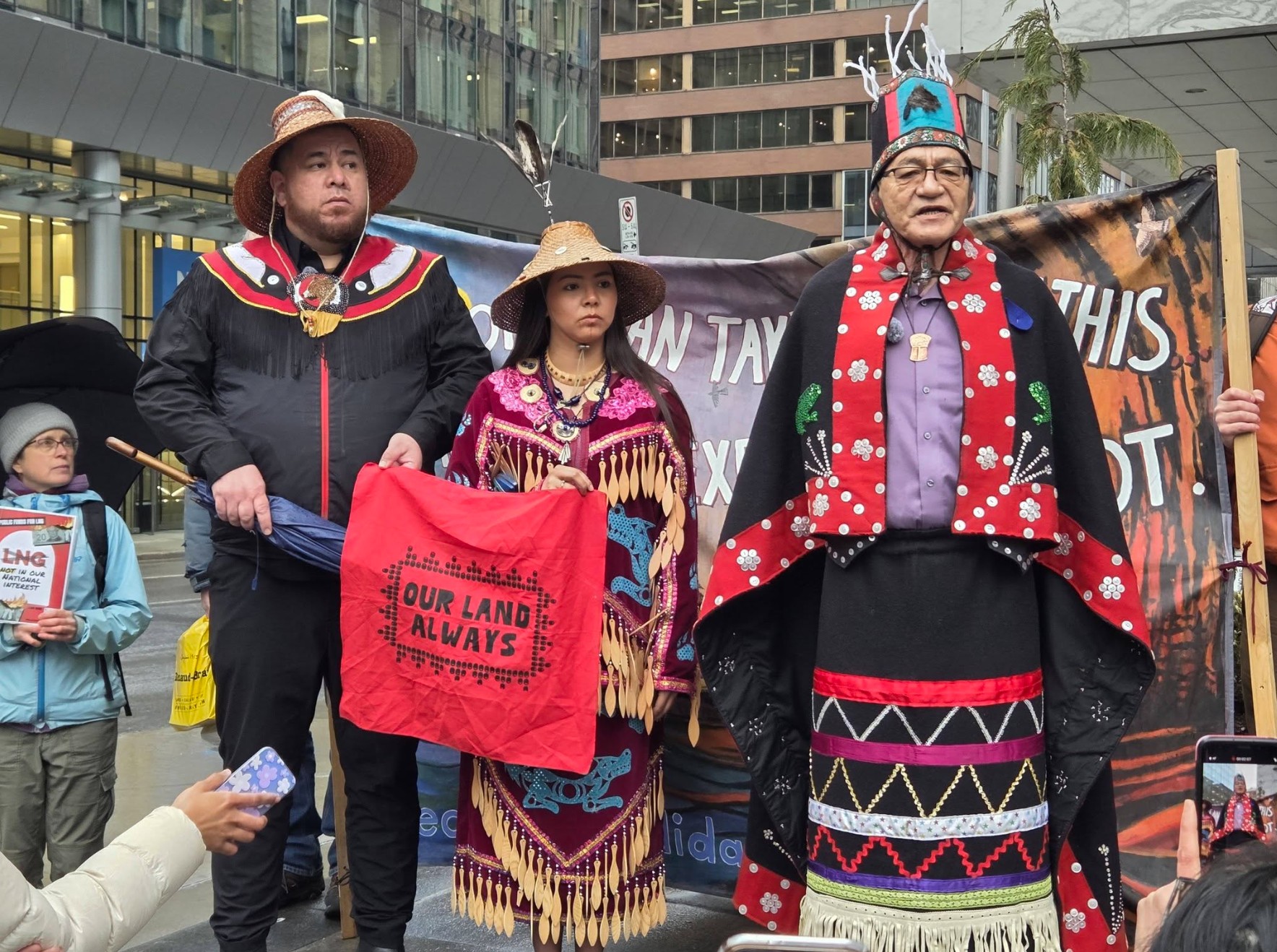
Hereditary chiefs have opposed compressor stations that would be a part of Coastal GasLink’s Phase 2, to be located on their traditional territory. They said they have concerns about the proximity to important cultural sites, additional years of construction traffic and the long-term climate impact of expanding Canada’s LNG footprint. “Wet’suwet’en (and Gitxsan) Hereditary Chiefs oppose and do not give consent to build these compressor stations and will pursue avenues to challenge these permits and construction.”
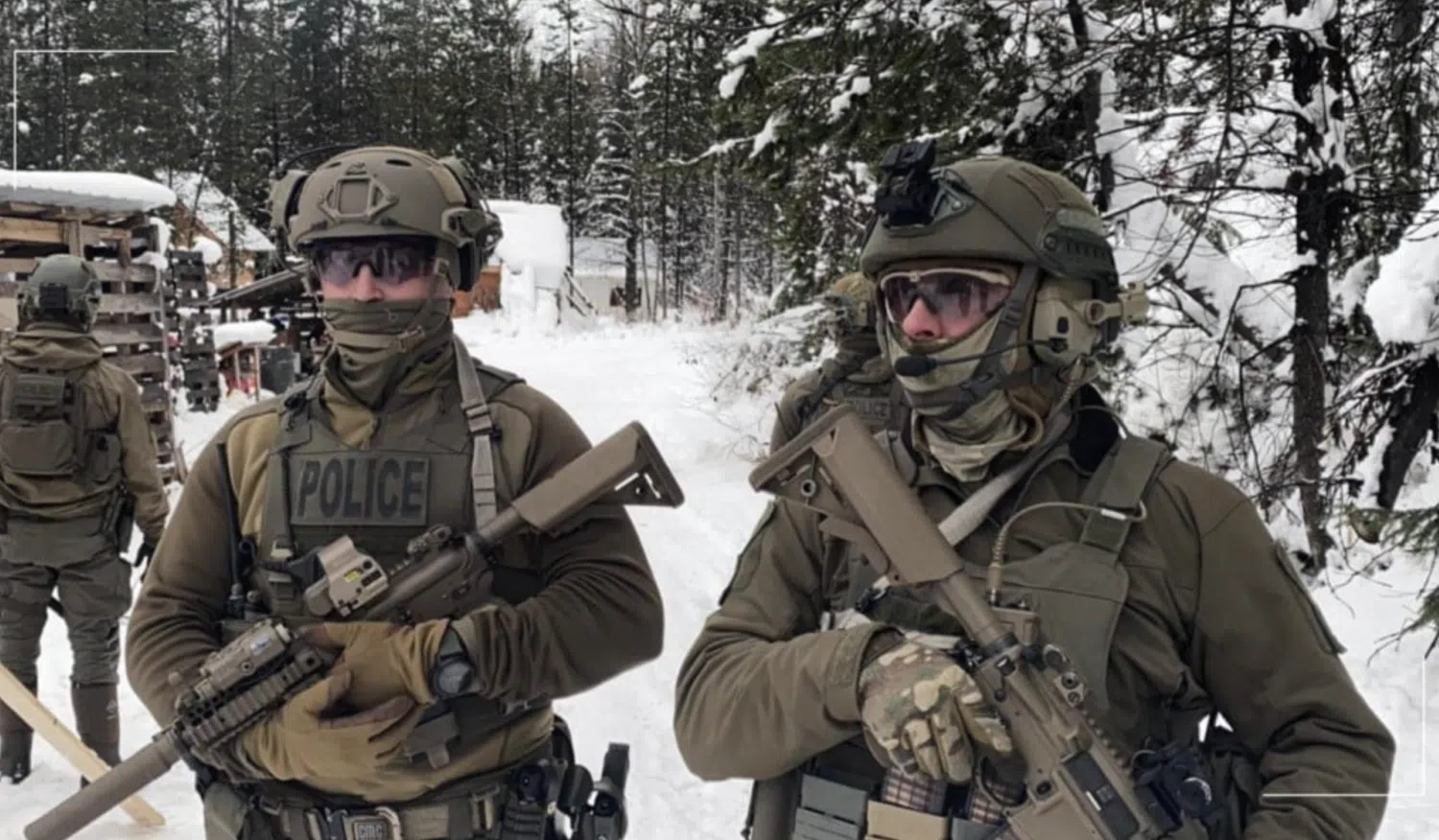
The Wet’suwet’en experienced militarized raids by the Royal Canadian Mounted Police (RCMP) Community-Industry Response Group (C-IRG) in January 2019, February 2020 and November 2021. Amnesty International has previously noted that it has “determined that the tactics used by the RCMP during the four militarized raids on Wet’suwet’en land defenders were disproportionate to the situation they were responding to, as there are no reports of defenders using violence or representing a threat.”
Amnesty International has documented: “More than 75 Wet’suwet’en and other land defenders were arrested, solely for exercising their Indigenous rights and their rights to freedom of peaceful assembly.”
Peace Brigades International-Canada (PBIC) visited Wet’suwet’en, Gitxsan and Gitanyow territories in November 2021, June 2025 and October 2025, and in April 2026, observed the call in front of Export Development Canada (EDC) in Ottawa made by Chief Na’Moks, Gwii Lok’im Gibuu and Katisha Paul against EDC financing projects including Phase 2. PBIC will return to the territories if the safety of land and environmental defenders is put at risk by the RCMP Critical Response Unit-British Columbia (CRU-BC).
It should also be noted that the release of the Civilian Review and Complaints Commission (CRCC) systemic investigation of the RCMP CRU-BC (formerly known as the C-IRG) was delayed last week to an unspecified time after the provincial election in British Columbia on October 24, 2026.