
“Compostable” Bioplastic
By Leif Lebaron
A friend who aims to be ecologically responsible and health conscious, recently shared some organic tea from a small company on the BC mainland. The tea was excellent but I noticed that the “pyramid” bags were made of plastic. “No, they’re plastic-free and compostable” she corrected me, but I protested and melted one to demonstrate. Then with well-founded doubt, she requested more information about the tea bags.
The quick response enthusiastically reasserted several false claims with bamboozling technical jargon and a “spec sheet” from their Chinese supplier. These false claims were the very reason she bought the tea, and very persuasive to one who doesn’t know better, so I prepared a response for my misled and duly disappointed friend. In gathering evidence, I was surprised to learn that bioplastic is less biodegradable than I had assumed.
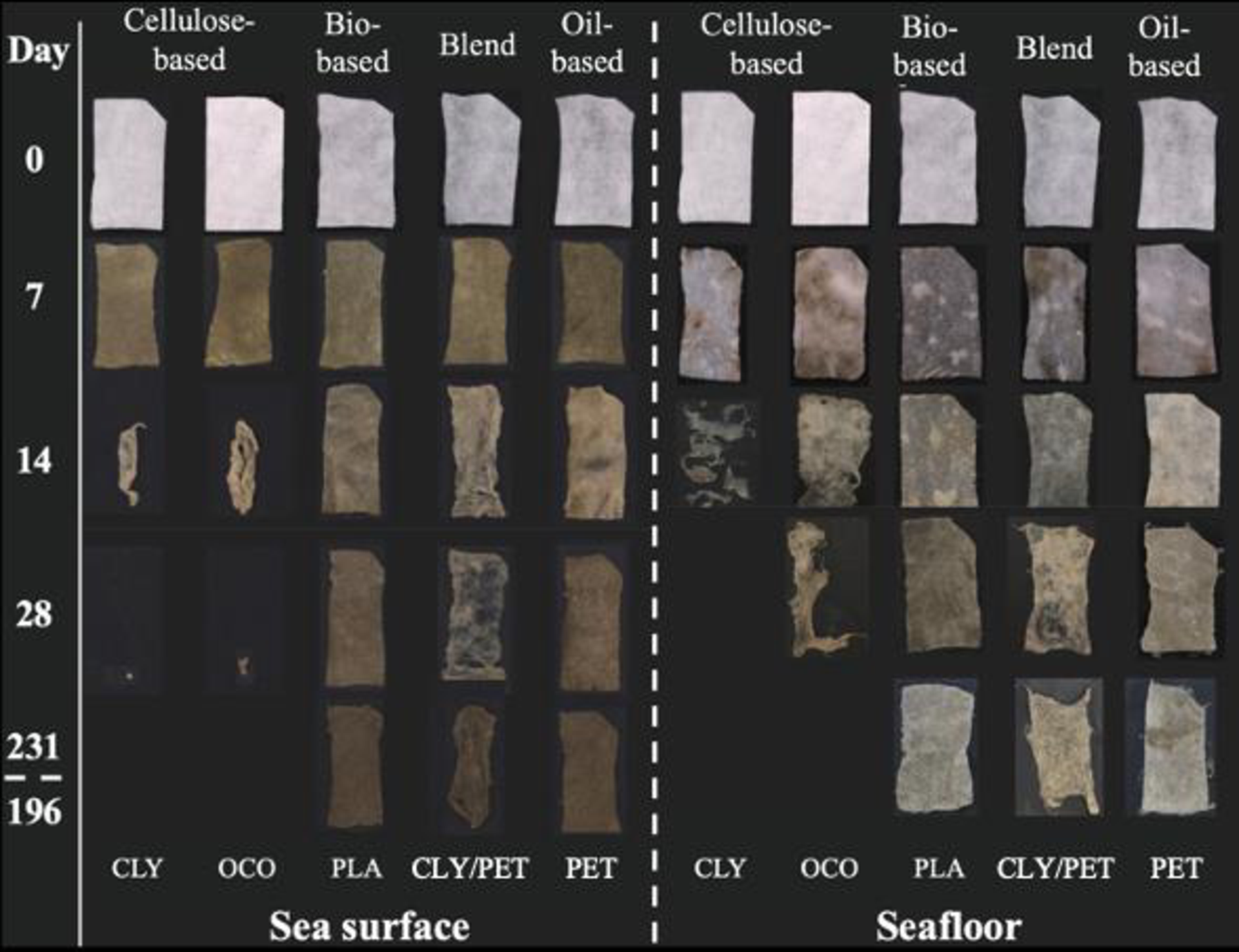
The plastic in question is polylactic acid (PLA), made from fermented corn starch by a chemical process. PLA is technically “compostable”, at temperatures exceeding 60° C, with high enough humidity, in the presence of specific microbes. In contrast to this industrial “composting” process, it may persist for decades if not centuries in home compost or soil.
The rate of degradation is similar to that of PET (the petro-plastic commonly used in water bottles). Some studies also suggest that PLA degradation products may be more toxic to marine life than similar petroleum-based plastic.
Aside from bioplastic, tea bags epitomise superfluous disposable convenience; so rather than asking the question“What material is best for tea bags?” I think we’d all be better served by asking “How do we live without tea bags?”. Of course it’s not just tea bags; more common are the “biodegradable” poo bags that so many dog owners leave behind, presenting a worse biohazard long after the contents would have otherwise dissolved naturally.
The more important problem is propaganda and especially the lack of intellectual responsibility in preventing its damage. In this case, I imagine the operator of the small tea company was not acting in bad faith but had been misled by popular “green-washing” propaganda; however, after being informed about the facts of the matter, they recoiled and false claims persisted on their website for several months.
My friend, who would otherwise buy more of their fine tea, chose to responsibly refrain instead of rationalising away her cognitive dissonance.
Upon a final check before publishing this article, the false claims have been removed, just a few days ago. Whatever the reason, here’s to honesty!
“It is not because the truth is too difficult to see that we make mistakes. It may even lie on the surface; but we make mistakes because the easiest and most comfortable course for us is to seek insight where it accords with our emotions — especially selfish ones.” —Aleksandr Solzhenitsyn (“Peace and Violence”, 1973)