Gabriel Jeroschewitz, April 19th, 2026, Written at 3:19 AM after a nightmare of the Last Supper.
The Last Supper. Did they really have KD?
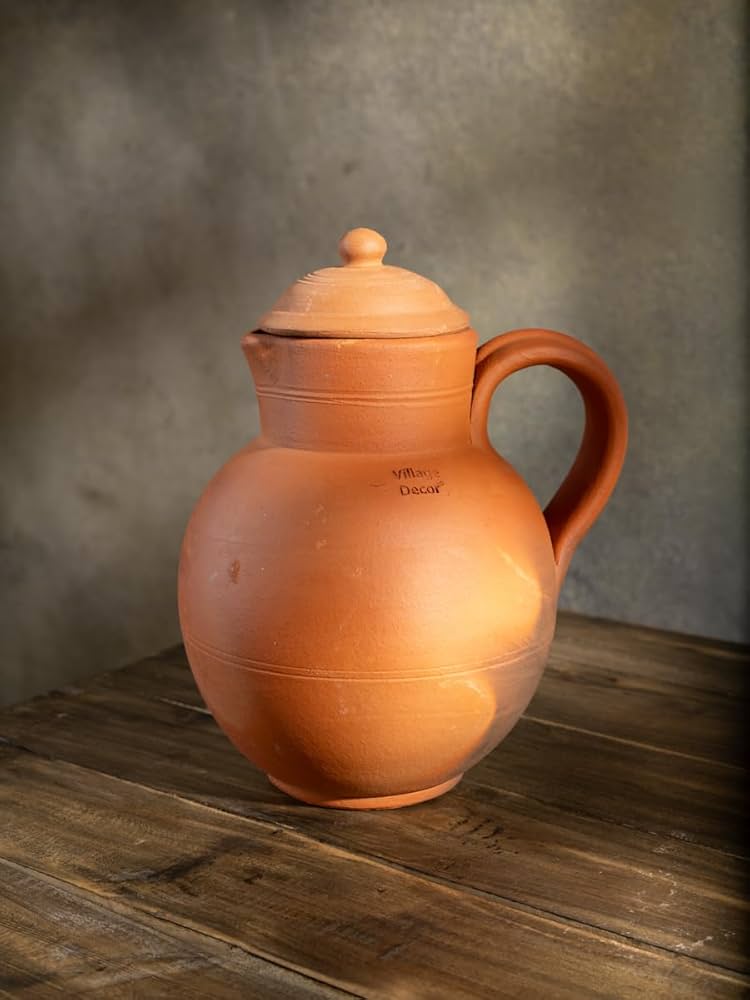
The upholstery in the Upper Room was a somewhat distressing shade of café au lait. Perhaps a choice for the man with the ceramic water jug who secured the apartment for them, but not for the discussion of the invention of Kraft Dinner. I waited in the corner with my wine, wondering if the Almighty took a particular interest in food of this nature, or if he wore a suit of Italian manufacture beneath his robes of traditional design. I suspect that there were pinstripes under the linen.
I am the Recording Angel, and I am very tired.
What unfolded that night was not a dinner party of atrocious timing – but the dismantling of something foundational. These fishermen and tax collectors were disassembled over unleavened bread and foot odour that could have stripped the varnish from any number of antique furniture pieces. When the man with the water jug arrived (and I had to write a memo to the Department of Anachronistic Gender Studies regarding his footwear), he instituted the first separation of water and clay into the earthenware vessel that would hold the beverage of life and the discussions of humanity’s future. I have seen the blueprints of the man, but I have also seen clay tablets from Mesopotamia, when the Almighty used them in place of written words.
“Follow the jug,” Jesus said – though I almost wonder if he was referring to the men who followed him rather than the man with the water jug – and they did follow, into their own restructuring of reality.
The washing of the feet was where the evening took a turn towards the comedic – but necessary – grotesque. The Son of God was kneeling before Bartholomew’s bunions, scrubbing at the years of accumulated grime upon his feet. I watched as Judas left the room after he saw how much of a soul depreciation there was in the man. When he left the upper room into the night (I capitalize it because that is what the night was – well-dressed, wearing a trench coat and smoking unfiltered cigarettes), there was a separation of light from darkness – the second day all over again – but smaller in scale. A separation like divorce courts and hospices.
Then came the bread.
“Take, eat,” said Jesus to the disciples, whose calluses upon their hands came from both their work as carpenters, as well as possibly from the sketching of the design of processed cheese powder. This was the third day, and the dry land of existence had finally emerged; water collected, and ground was established upon which the disciples could stand without sinking into nothingness. Though it was an existence of foundation, it was a relatively dull existence – those of us over forty years understand the foundation of marriages can dry up, yet still it was firm on the ground. Nevertheless, it was unleavened. I noted this in my ledger and underlined it twice.
Foundations are dull without the alarm clock that is time. On the fourth day, the Lord hung the sun in the firmament of heaven. Within the Upper Room, Jesus broke the calendar and instituted a new publication that replaced the old Time magazine with one whose centrefold was a crucifixion and whose editorials were written with his blood. The disciples looked confused. Thomas checked his watch – a sundial – to see if he had crossed the international date line into the time of prophecy.
I adjusted my suit. Charcoal gray would be best to match the ash upon my clothes and upon my breath. I have a suspicion that the Almighty changes his wardrobe according to the dispensation of God – stone tablets for the old era of timekeeping, flowing robes of the incarnational years of the Son of God – and perhaps Brioni lines for the present dispensation of the risen deity. Though the clay tablet era belongs to Muhammad, his receipt arrived later in his life. I file this under “Vessel Variations.” The content of the vessels is the same.
The wine was introduced on the fifth and sixth days – the blood of the wine was not blood yet, but an internet signal that downloaded a new consciousness into the twelve tired men of the apostles. It was the Adam moment – the new creation of humanity necessitating the dying of the old. I watched as the apostles drank the wine – Peter noted a wince at the loss of his preference for beer – as the vessel metaphors returned to the discussion. The Jews used the stone tablets as their vessel to connect to God, the foundation of their faith, requiring the Jews to carry the tablets up the mountains. The Christian use of water – any container, irrelevant – as a symbol of the new foundation of their faith, and the Islam of clay tablets resonating with the vibration of the Tilawa – words becoming sound and becoming flesh again.
There are different filing systems for the same document that humanity cannot seem to find in the face of existence.
And then – on the seventh day – the rest. Though it would not come until later, when Jesus would sacrifice himself on the cross, the “It is finished” of His final act of salvation was man’s sabbatical from existence. Nevertheless, the Upper Room was closed after Judas left the room – sealed into their existence, into a womb, into a conference room of finalized mergers yet opened for the new company. They waited fifty days for the initial public offering of the Holy Spirit. Instead, they sat in the room and burped quietly into their existence, as men who had imagined the entire evening.
I checked the Almighty’s expense report. Did he invent Kraft Dinner? The question lingered in the air. I think that He did. I think he wore a toga over a three-piece suit – visible and invisible – timeless and contemporary. The water jug stood empty in the corner – the purpose of which had been served as a signpost to the Upper Room, as are the stone tablets of the Old Testament and the clay tablets of the New Testament. For all religions, the vessels suggest their own system of transcendence.
The disciples fell asleep eventually – heads on the table – into dreams of fish and fire. I remained awake to watch the shadows of the room stretch out into the small Upper Room until finally, the man with the water jug left the room – he would not receive his deposit for the apartment from the man with the ceramic water jug. Probably not – divinity is terrible with returning security deposits.
Outside in the night – well-dressed and patient – the Almighty waited. Within the Upper Room – the new creation of humanity – in its womb, yet very much alive and humming in existence.
I closed my ledger – the room was finished – for now. I wondered what the future would bring for the disciples – for the new creation of humanity. Would they have coffee? The real stuff – brewed in percolators and not the instant kind. It would seem that even God has his limits.