
Ladies. And Jelly spoons, I am in front of you. Behind you. To tell you something, I know nothing about.
Next Thursday, which is Good Friday, we are having a ladies’ meeting only for men.
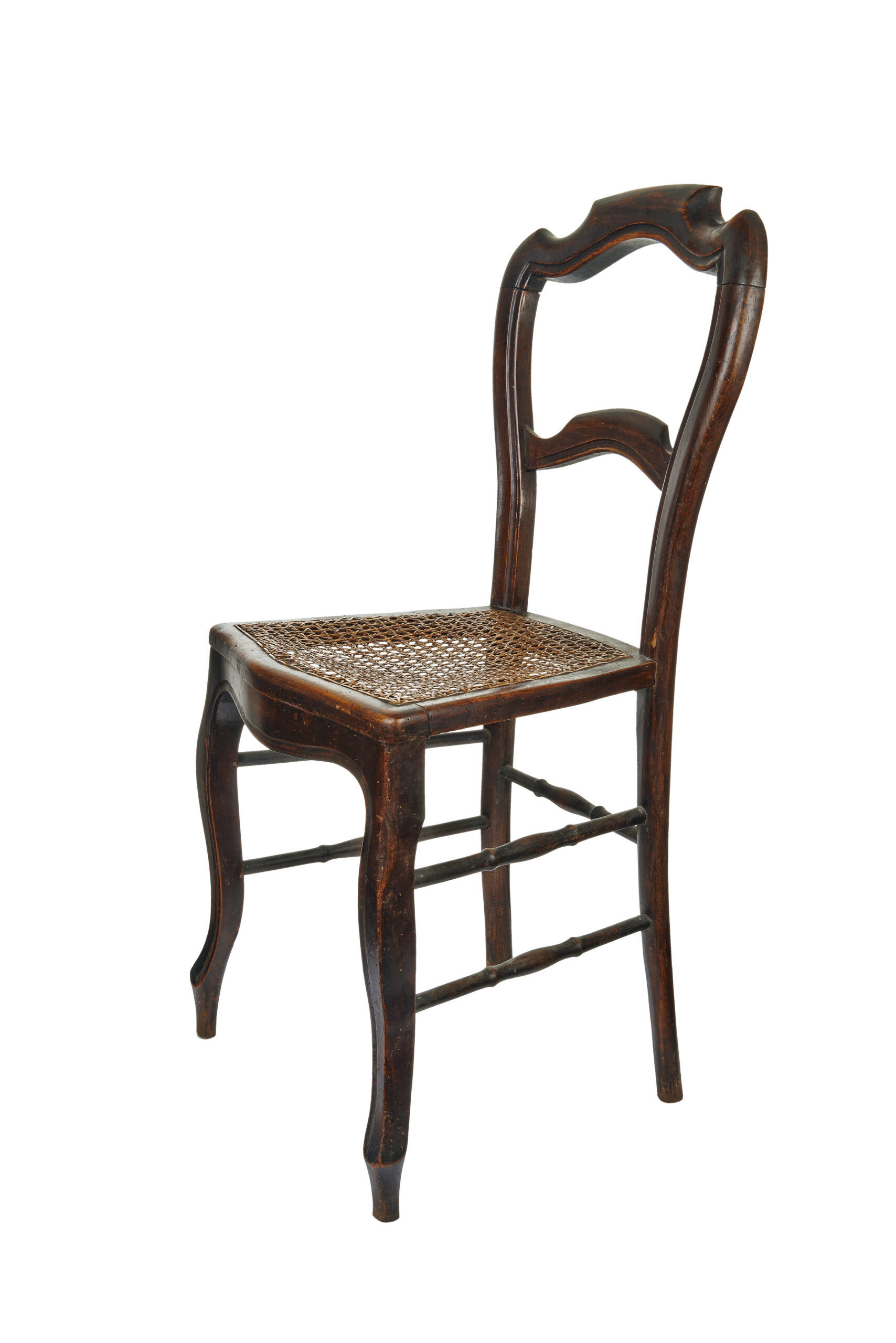
Admission is free. Pay a dollar, pick up a chair, walk through the door, and sit on the floor.
Pick up a chair, walk through the door, and sit on the floor.
Gabriel Jeroschewitz, April 17th, 2026. This is taken from a childhood rhyme. I remember from when I was 8 years old; it’s stayed with me ever since. I’m not sure why, it’s silly, and I thought I’d write a story about it,
The auditorium was established in a world before the arrival of those who would temporarily come to fill it with their presence. From the mezzanine – the afterthought of the structure’s architects – I surveyed the empty rows of chairs that would one day be filled by those who would come to sit through the performance of a myth that was to be enacted before them. The fluorescence of the lights above signified the presence of some purpose for the establishment, but never stated what that purpose would be.
He appeared through the door that was both entrance and exit all at once. The audience that filled the room comprised those who had come to see the world’s myths wear thin in the modern age. Each of them was of an age when their biographies had taught them to expect disappointment in their lives, but never with such regularity as this.
“Ladies,” he began, “and jelly spoons.”
In Mythologies, I have written of the steak-and-frites as a symbol of nationalism in the nation’s diet, and of the striptease as an act representing man’s metaphysical connection to woman. Yet, I had never written of the jelly spoon, nor considered it as a symbol of anything within the world of modern myths. Yet here he was, addressing the audience of jelly spoons, and I felt the tragedy of the audience members all at once.
“I am in front of you,” he said, standing in a position of presence before them, yet also behind them at the same time.
The audience turned. Yet he was not behind them. But within the world of myth, he was present before and behind them at once. The audience members all turned to him, but I thought of the photograph from the age of mechanical reproduction. The image of the audience members here had not lost its aura but had instead grown wild, spreading throughout the auditorium.
“To tell you something I know nothing about.”
Franz Austin wrote of speech acts that could perform actions upon the world of language; this was such an act performed before the audience. Each audience member leaned forward into the performance of this act, recognizing it as an exhumation of Enlightenment myths.
“Next Thursday. Which is Good Friday?”
Thursday is the day when Thor and Jupiter are honoured throughout the Western world. Yet on this day that would become Good Friday, the audience understood the myth hanging before them, for they all knew in their minds and hearts that the upcoming Thursday would be Good Friday. For on this day, the sacrifice of Christ occurred throughout time. Thus, for the audience members who were modern in age and understanding, this day did not appear on their calendars but rather within the mythologies surrounding the Christian religion.
“We’re having a ladies meeting, only for men.”
The myth of the lady and the importance of the female in society were examined before the audience. The ladies’ meeting was to be open only to men in attendance. Thus, all audience members were excluded from the meeting they were supposed to attend. Yet they were also included in the myth of the lady meeting, yet they were only ever the sign of the ladies. The tragedy of the audience members was the recognition that they had never been anything other than.
“Admission free. Pay a dollar.”
The paradox of the situation drew laughter from those who understood the logic of the modern world. To pay for something free was the logic of the leisure industry. The dollar was paid for the void in the auditorium. One man in the third row – whose posture indicated his former position as an accountant for a firm – paid for his own absence in the world by handing over his bill. Yet, he was paying for nothing at all.
“Pick up a chair, walk through the door, and sit on the floor.”
The instruction was that of a Zen koan stripped of its enlightenment. Chairs are symbols of the Western world and of humanity’s expectation that people remain seated in the presence of others. Yet the audience members were instructed to pick up their chairs, walk through the door separating them from the rest of the building, and sit on the floor surrounding the stage: the floor, the base of humanity, the fond.
The audience members followed the directions set before them. Chairs were picked up by those whose joints had likely borne the consequences of decades of sitting in their homes and workplaces. The door opened onto a wall within the building. Each of the men sat on the carpeted concrete floor, their spines turned towards the floor as if in the shape of question marks, their empty chairs remaining beside them.
“You may find this a bit confusing,” the man said to the audience members who had all followed the directions set for them, “but it’s completely rational.”
The audience members understood what he was referring to. The rationality he spoke of was the rationality of the office that they had filled for years. The rationality of their marriages that failed over time. The audience members recognized this rationality.
“Like most things in this humanity.”
He paused here, allowing for a few breaths between the audience members and himself. Yet, he continued by stating the following:
“The so-called humanity.”
The scare quotes were audible throughout the speech. For he was referring to the biological term humanity as a collection of the species homo sapiens, and instead referred to their existence as merely the sign of their existence within the world.
“Like Aristotle said. A thing is itself and not something else.”
Aristotle wrote of the necessity of objects existing in their own right, not in place of another thing. Yet, the audience members understood from this revelation that the man wanted to be something else, for they desired to be the jelly spoons. They desired to be the ladies of the ladies’ meeting, for they craved to know something of the nothingness that was occupying the world today.
The speaker was gone, as all speakers often become when the signifier consumes the signified. Each audience member remained on the floor. They would remain on the floor until the next Thursday, until the next Good Friday, until the jelly spoons rusted and the dollars turned to confetti. For they were waiting for the meeting to occur – this meeting for men that was actually a ladies’ meeting, this admission that was free of entry cost them anything.
When the audience members parted from the auditorium, I carried the myth with me. Yet outside the building, the sun was setting on what would have been another day of the week. The chairs remained empty beside me. The floor was just the floor. Yet I knew – I who had stood in the mezzanine above the audience members, who had commented upon each of their actions, who had stood both in front of and behind them – that I, too, was a jelly spoon in the world, awaiting to be addressed.