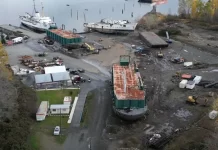

Here in British Columbia, a homeowner needs to obtain a permit to build something as small as a 10×10 foot shed. Yet, shipbreaking and vessel retrofit facilities—massive industrial operations that can release toxic chemicals, manage hazardous waste, and pose significant environmental and health risks—are allowed to operate without proper permits.
How is this possible?
No Permits, No Oversight
Shipbreaking and vessel retrofitting activities are happening without required permits, plans, or any oversight. These facilities—located next to residential areas—can release hazardous substances like lead, asbestos, and toxic antifouling paints into the environment, yet no government agency is stepping in to ensure safe handling or containment of hazardous waste.
What’s at Stake?
No Hazardous Waste Containment: These operations fail to have proper systems in place to contain dangerous waste materials, such as asbestos or lead-based paints.
No Approved Plans: There are no approved plans for the types or sizes of vessels allowed for retrofitting or shipbreaking. This means facilities can take on any vessel, regardless of its size or potential impact.
No Facility Size Limits: There are no regulations governing how big these facilities can become, potentially allowing them to expand in size without oversight.
No Inspections: Despite the obvious risks, there are no inspections for these operations, even though building a shed requires multiple inspections. How can we ensure these operations are safe without any monitoring?
No Plans for Hazardous Material Disposal: There are no approved plans for where hazardous materials go once they’re removed. Without proper disposal, these materials can contaminate our land, water, and air.
No Regulatory Accountability: Without a proper permitting process, how does the government even know these facilities exist? There is no accountability, leaving the door open for dangerous practices to continue unchecked.
Why Does a Shed Require More Scrutiny?
It’s clear that the standards for regulating industrial operations are being bypassed, while smaller, less impactful projects face strict requirements. It’s a double standard that puts people and the environment at risk.
We need change. These operations should be required to follow the same rigorous permitting, oversight, and environmental protection protocols as any other industrial facility. The question is: Why isn’t the government holding these businesses accountable?
Let’s demand that BC’s regulations ensure public health and safety by requiring proper permits, hazardous waste containment, and environmental safeguards for shipbreaking and retrofit operations!