
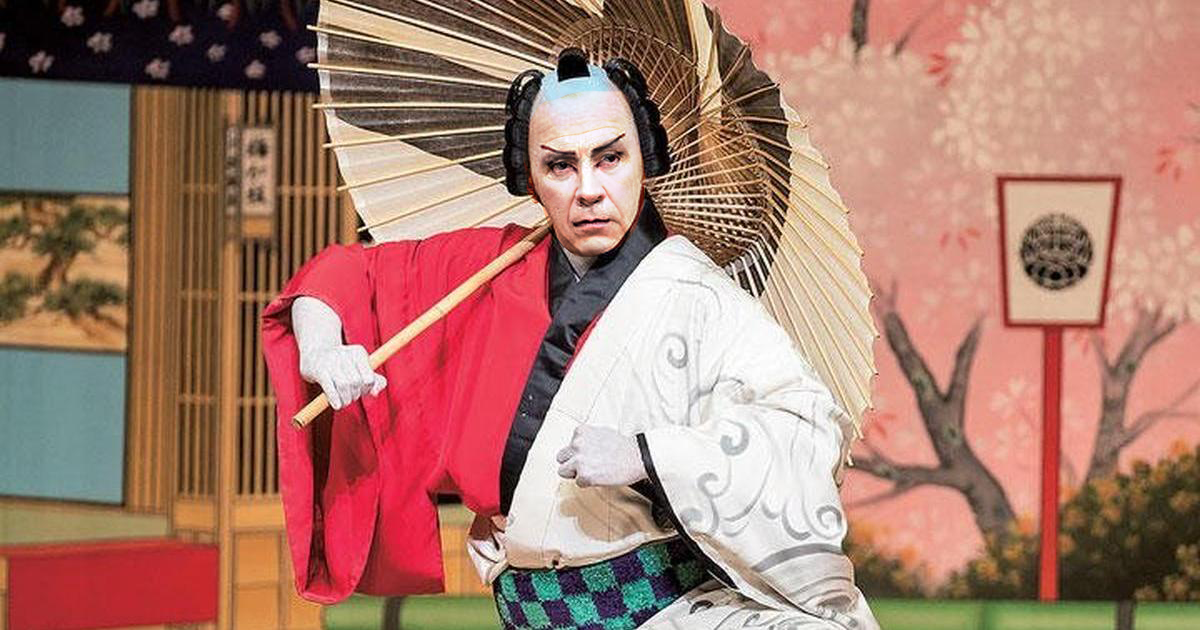
The Kabuki Politics of Mark Carney
By Cylon2036 we/us
In the Kabuki theatre of modern politics, few performances rival the exquisite double act of Prime Minister Mark Carney, part concerned statesman, part method actor, in the long-running drama “Elbows Up, Canada First.” Night after night, he steps onto the stage, adjusts his tie with the solemnity of a man about to disagree very seriously, and delivers his lines about standing firm against Donald Trump, with lines so heartfelt you can almost hear the orchestra swell.
Act I opens with a denunciation. Carney, brows furrowed in artisanal concern, warns of the dangers of reckless corporations. The audience nods approvingly. A pause. Then, with the deftness of a seasoned illusionist, the policy scroll unfurls, revealing a carefully tailored suite of corporate tax cuts and “competitiveness measures” so generous they practically come with a thank-you card addressed to the boardroom. “These are responsible tax cuts.”
Act II brings us to the environment. The lighting shifts to a calming green hue. Carney speaks of stewardship, and of the sacred duty to protect the planet for future generations. Somewhere, a single tear rolls down the cheek of a concerned citizen. Pipelines hum gently in the background, framed not as industrial expansion but as “transitional infrastructure.” Fossil fuel extraction isn’t expanding, it’s evolving. The difference is subtle, like calling a bonfire a “localized warmth event.”
In Act III, environmental protections take centre stage, only to be carefully edited for pacing. Regulations are streamlined, approvals accelerated, oversight reimagined. “Efficiency,” the program notes explain, as the layers of scrutiny quietly exit stage left, along with First Nations’ consent.
But the real crescendo arrives in Act IV: the drums of defense. Here, Carney’s performance reaches operatic heights. He speaks of peace with the gravity of a man who has read many briefing notes about it. He invokes stability, alliances, and “the rules-based order.” And then, with the inevitability of a plot twist everyone saw coming, massive public service cuts while military spending surges like a standing ovation that never quite ends. Overseas commitments deepen, particularly in the Middle East, framed always as necessary, measured, and deeply regrettable, like eating the last slice of cake for the sake of international security.
Throughout it all, the spectre of the demonic Trump looms, an obvious antagonist and theatrical foil. Carney gestures toward him frequently, a sort of political stage prop wheeled out to remind the audience that this, whatever it is, is definitely not that. The contrast is essential to the performance. Without it, one might start to notice the similarities in choreography, with all the same steps, the same rhythms, just performed with better posture and a more reassuring smile.
Critics have called it a masterclass in tonal distinction. “It’s not about what is done,” one reviewer noted, “but how sincerely it is narrated while being done.” And perhaps that’s the true brilliance of the production. In an age of blunt force politics, Carney offers something more refined, a comforting story in which opposition is declared, differences are emphasized, and continuity proceeds uninterrupted. The audience leaves the theatre reassured, humming the familiar tune of change, even as the set pieces remain exactly where they were.
Coming soon to a parliament near you: Act V, tentatively titled, “Pulling the Goalie.”