American Healthcare Workers Moving to the Comox Valley
by Dave Flawes (Local Journalism Initiative)
“Why did you leave the United States?”
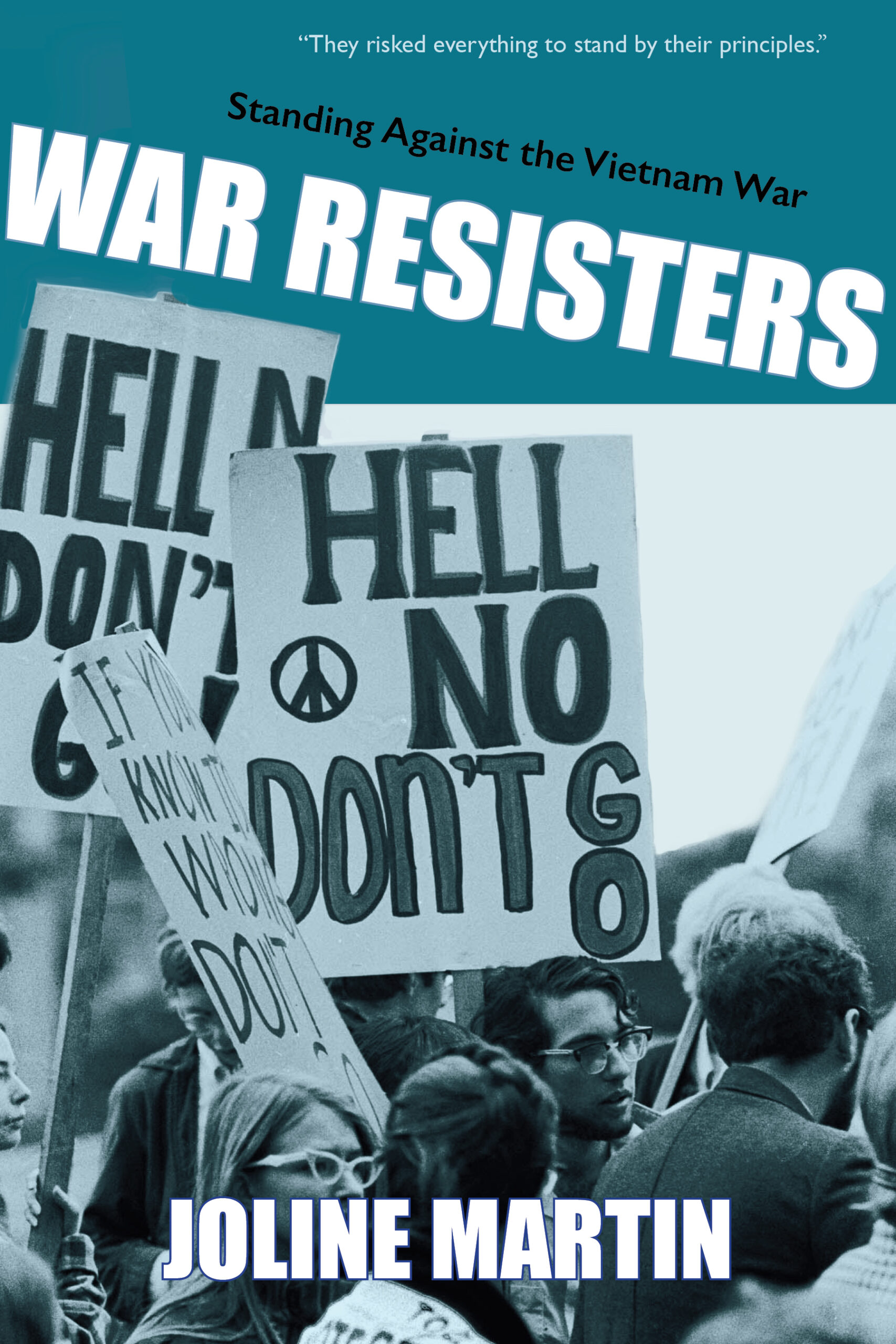
Joline Martin, the Courtenay-based author of War Resisters: Standing Against the Vietnam War — a collection of twelve personal stories about American war resisters on Vancouver Island — has thought long about this question since abandoning her country of birth half a century ago. Her answer is frank and practiced. “I left because I was disillusioned with the U.S., and I didn’t want to be a part of that country. They’re always killing people of colour” says Martin.
During the Vietnam War, educated and skilled American immigrants came to the Comox Valley and surrounding areas for similar reasons, often to preserve their lives. Today, the United States is seeing similar political upheaval, and those seeking a way out are also looking north. According to the Medical Council of Canada, Canada is now seeing a new, though smaller, flood of educated American immigrants. This time it’s medical professionals. A recent announcement from the province says more than 500 health professionals trained in the U.S. have accepted job offers in B.C. as of February 2026, with 141 planning on coming to Vancouver Island.
A war resister from 1969, and subject in Martin’s book named Valerie Straw, put her reasons for coming to Vancouver Island another way: “We had a feeling of being rats leaving a sinking ship.”
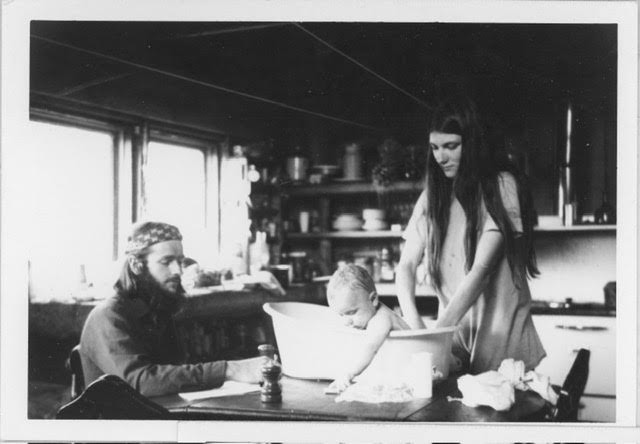
(Valerie and Greg Straw giving their baby a bath in the makeshift shed where they were living on Canada’s west coast in Mitchell Bay in the 1970s. Photo courtesy of Joline Martin The history of war resister immigration)
Many factors led to Valerie and her partner, Greg, moving to Malcolm Island, B.C. The escalation of the Vietnam War, the pressure from the draft board, the assassinations of Bobby Kennedy and Martin Luther King, the election of Richard Nixon to the presidency. The list was endless,” Martin writes in War Resisters. The term war resister replaces “the shame-laden labels ‘draft dodgers’ and ‘deserters,’” Martin writes, referring to the estimated “100,000 U.S. citizens [who] fled their country seeking a peaceful life in Canada.”
“There are so many war resisters [in the Comox Valley] it will blow your mind,” says Martin. Martin, who is relatively new to the community, knows at least 50 resisters and notes that they assimilated into society. “Even among ourselves we did not know who came.” She only discovered these 50 or so people for herself while researching the book. Even the birthplace of a friend whom she’d known for decades went unmarked. “I had no idea he was a war resister,” Martin says.
To legally immigrate to Canada, war resisters had to meet a point system. Most resisters had skills or were university educated, making it easy for them to meet the point system requirements, Martin writes. When a pardon became available in the U.S. in 1977, many war resisters left Canada to go home. But a 1986 census showed that half stayed, “making it the largest and best-educated group this country has ever received,” Martin writes.
Sarah, an American family doctor and obstetrician, had always talked with her partner about working outside of the United States one day. “Then, after the shift in political tone over the last few years and the re-election of Trump, we said maybe now is the time to go,” Sarah says. She is keeping her identity anonymous because she must still maintain a medical licence in the United States for two years to be licensed in Canada and doesn’t want to jeopardize her job.
In early 2025, she saw advertisements on LinkedIn and other online platforms targeting American health-care workers to work in Canada. The couple had previously travelled to Vancouver Island. “We love Victoria,” Sarah explains. In June 2025, Sarah toured practices across Vancouver Island, eventually finding one with like-minded people in the Comox Valley. She spoke with her partner and they decided to “pull the trigger” and move to the Island.
Since moving here in October 2025, Sarah has been taking advantage of supports from the Division of Family Practices, including continuing medical education and monthly meetings for new physicians to the area, she says. Sarah is in contact with two American friends in the medical field who also plan to make the move to Canada. One is a pediatrician working in a small, remote town. “There are a bunch of funding cuts to rural access hospitals. Her position may not even exist,” Sarah says.
A grassroots effort to attract doctors to Canada began by chance in 2025 when Tod Maffin famously invited Americans to spend time in Nanaimo. Maffin was surprised when “a lot of health-care workers came as a way to, you know, kick the tires on Canada,” Maffin tells reporter Dave Flawse. That’s when Maffin decided to begin the Healthcare Infusion, which, according to the initiative’s website, is “a volunteer-driven national movement connecting doctors, nurses and other health-care professionals with the Canadian communities that need them most.”The movement has since spread.