*reprinted from the Victoria Times Colonist*
December 11, 2025
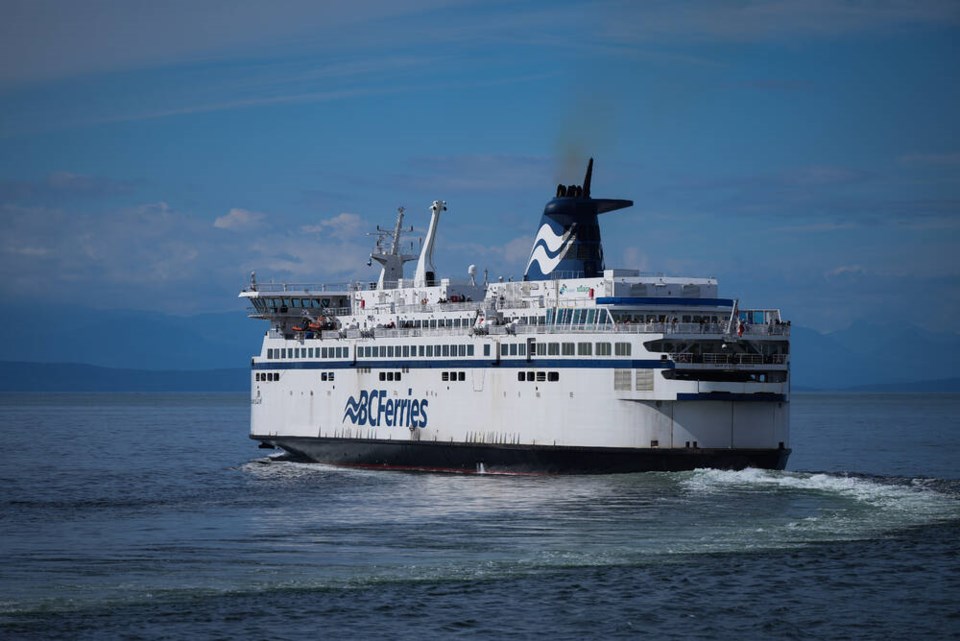
BC Ferries Threatens 30% Fare Hikes Unless Governments Dramatically Increase Funding
To increase funding by warding off fare hikes “well in excess of 30%” in two years, BC Ferries proposes forming a “sustainable partnership” with all levels of government—federal, provincial, and loca. Yet this partnership maintains the same governance model that enabled the Fast Ferries scandal in the 1990s and cost taxpayers $1 billion in avoidable expenses. The BC Auditor-General called for strong governance reform to prevent future vessel failures and wasted tax dollars. Three provincial governments, however, have ignored his unambiguous warning by keeping the same governance vacuum in which no one is held accountable for failures. The result: declining service performance, a ballooning budget, and a history of deploying unreliable vessels. Now BC Ferries solicits an assured flow of funding to avoid catastrophic fare hikes—without any oversight.
Twenty-six years after the Fast Ferries scandal, the corporation remains accountable to no one for its failures. Despite its pattern of deploying seriously flawed vessels, Premier Eby’s public refusal to “intervene” in BC Ferries’ decisions involving the Chinese vessel procurement exemplifies his hands-off approach to overseeing how the corporation spends tax dollars. Nor has he strengthened governance by reintroducing tabled Bill 7, which amends the Coastal Ferry Act, or create a fully independent, accountable board as recommended in the 2001 Wright Review.
This continuing governance vacuum accounts for all three recent procurements having have design failures, causing frequent breakdowns, lengthy service interruptions, and misery to ferry-dependent communities. The Coastal vessels will need new motors at an undisclosed enormous cost to taxpayers. The Island Class Hybrids are slated to be replaced or rerouted. BC Ferries even admits it lacks “the vessel resilience” to keep Island Class vessels in service year-round. And the Baynes Sound cable ferry, promised at $230,000 annually to save tax dollars while providing service equal to conventional vessels, costs $5.9 million annually and has the worst breakdown rate in the fleet. Freedom of Information documents from 2016-2019 show 80 pages of breakdowns that the corporation dismissed as “teething issues.”
Without genuine governance reform, why should federal, provincial, and local governments increase funding by forming a “sustainable partnership” with BC Ferries? For taxpayers and ferry-dependent communities stuck with chronically unreliable vessels, such a proposal is not sustainable.